
How to Prevent Slips and Falls During Icy Winter Months
When winter arrives, everyday routines can start to feel more difficult. Snow and ice make simple things like stepping outside, getting the mail, or walking to the car feel less predictable. For older adults and anyone who needs extra support, winter weather can increase the risk of slipping and falling.
Falls are more common during icy months, but many of them can be prevented. With a little planning and some extra care, homes can stay safer and daily life can feel more manageable throughout the winter season.
Where Winter Fall Risks Often Begin
Most winter falls happen in places people walk through every day. Front steps, walkways, driveways, and entry areas can become slick quickly. Ice often forms overnight or after snow melts and refreezes, which can make surfaces unsafe without warning.
Cold weather can also affect how people move. Heavy coats, boots, and layers may change balance or make walking feel less steady. When these things combine with icy surfaces, the chance of slipping goes up. Paying attention to these areas early helps reduce risk before an accident happens.
Simple Ways to Make Outdoor Areas Safer
Outdoor safety starts with staying ahead of snow and ice. Clearing snow soon after storms helps keep it from packing down and freezing. When snow is left behind, it can quickly turn into ice and become harder to manage.
Salting steps, walkways, and driveways is one of the easiest ways to prevent ice from forming. Applying salt or ice melt early and reapplying as needed helps improve traction and makes walking safer. Good lighting is also important during winter, especially since daylight hours are shorter and many people go outside early in the morning or after dark.
Everyday Prevention Steps to Keep in Mind
Taking a few minutes to check outdoor areas can help prevent falls before they happen. These simple steps focus on keeping surfaces safer during winter.
Look for prevention steps like these:
- clear snow from walkways and steps promptly
- apply salt or ice melt to prevent ice buildup
- make sure handrails feel secure
- keep outdoor lights working near entrances
- wear shoes or boots with good traction
Staying consistent with these steps helps reduce risk throughout the season.
Keeping Indoor Areas Safe During Winter
Winter weather often follows people inside. Snow on boots quickly turns into water, which can collect near doors, entryways, and hallways. These wet areas can make floors slippery before anyone realizes it.
Placing mats near entrances helps catch snow and water as people come in. Wiping up wet spots throughout the day also makes a big difference, especially during storms or busy times when people are going in and out. Keeping floors dry helps everyone move around the home more safely during winter.
The Role of Caregivers During Winter Months
Winter can make daily tasks harder, even for people who usually manage well on their own. Ice, snow, and wet floors add extra challenges that are easy to overlook. This is where caregivers play an important role.
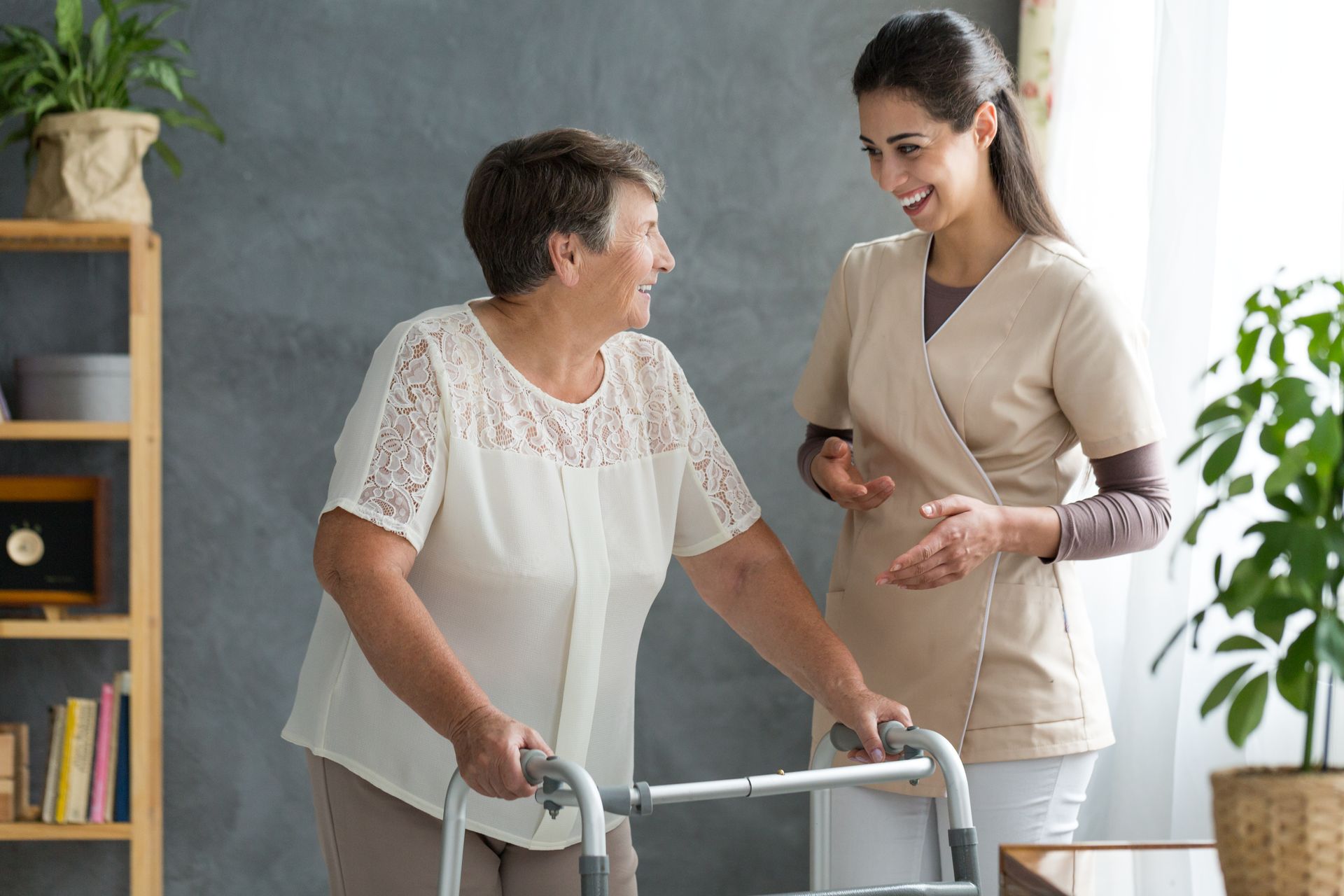
Caregivers can help by offering support with everyday tasks that become harder in winter. This may include helping someone get the mail safely, assisting with coats and footwear, or helping clear wet areas inside the home where snow has been tracked in. Caregivers also help keep floors dry near entryways and watch for rugs or clutter that could make walking less safe.
Beyond physical help, caregivers provide reassurance. Knowing someone is nearby can make moving through the day feel easier and less stressful. Many families rely on home health care services during the winter months to help loved ones stay safe, supported, and comfortable at home.
Support That Helps You Feel More at Ease
Winter does not have to feel overwhelming. With preparation and the right support, homes can stay safe and comfortable even during icy months. Small prevention steps and extra care can go a long way toward reducing fall risks.
At Chanda Care, we provide home health care that focuses on safety, comfort, and peace of mind. Our caregivers are here to support individuals and families through winter and beyond.
If you or a loved one could use extra help during the colder months, contact Chanda Care today. We are here to help keep your home safer and your family supported all season long.
Services