
Fall Prevention for Seniors at Home: A Room-by-Room Guide for Western MA & Hartford County Families
Falls are one of the most common safety concerns for older adults, but fall prevention for seniors at home can start with small changes. According to the Centers for Disease Control and Prevention, also known as the CDC, more than one in four adults age 65 and older reports falling each year. The CDC is the national public health agency that tracks injury and safety data across the United States. For families across Western Massachusetts and Hartford County, Connecticut, the goal is not to make a loved one’s home feel medical. It is to make daily movement feel safer, more comfortable, and easier to manage.
Why Falls Happen: Common Fall Risk Factors in Older Adults
Falls can happen when several small risks come together at the wrong time. A hallway may be too dark at night. A rug may slide underfoot. A loved one may feel dizzy after standing up. Stairs may feel harder than they used to. These common fall risk factors in older adults can build slowly, which is why families may not notice them right away.
Health changes can also play a role. Medication side effects like dizziness can make walking, bathing, or getting out of bed harder to do safely, which is why it may help to read our guide to medication reminders for seniors. Strength and nutrition matter too. When poor nutrition weakens muscles over time, balance and mobility can become harder to maintain. Vision changes, fatigue, rushing to the bathroom, and living alone can add more risk to daily routines.
Room-by-Room Home Safety Checklist
A home safety checklist for seniors works best when it follows the way your loved one uses the home each day. Start with the rooms they visit most, then look for places where they may slip, trip, reach too far, or need extra support. This is a practical way to think about how to prevent falls in elderly at home without changing everything at once.
Bathroom:
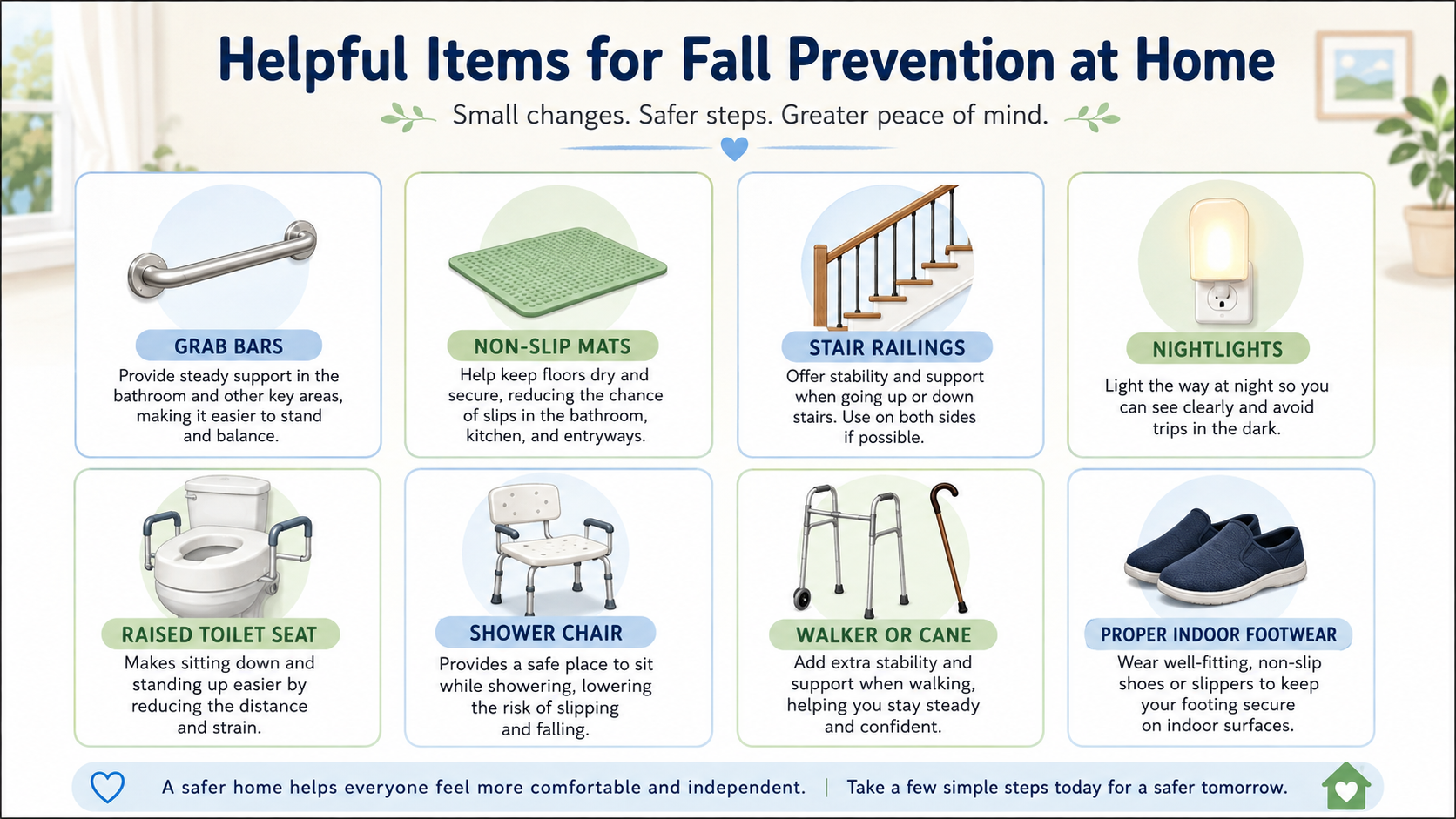
The bathroom is one of the first rooms to review because floors can become wet and movement is less steady during bathing, toileting, and changing. Add grab bars near the toilet and shower. Use non-slip mats inside and outside the tub or shower. A shower chair, handheld shower head, or raised toilet seat may also help depending on your loved one’s mobility.
Keep towels, soap, shampoo, and clothing within easy reach. A senior should not have to bend too far, twist, or stretch across a slippery floor. If bathing has started to feel stressful, support from personal care services can help with bathing, dressing, and moving safely around the home.
Kitchen
In the kitchen, look for spills, loose rugs, dim lighting, and items stored in hard-to-reach places. Cups, plates, pans, and daily food items should be kept between waist and shoulder height when possible. This can reduce the need for step stools, deep bending, or reaching overhead.
Keep walkways clear around the stove, sink, refrigerator, and table. Pet bowls, bags, cords, and small mats can create trip hazards. If cooking has become tiring, it may also help to make meals simpler and keep frequently used items in the same easy-to-reach places.
Bedroom
The bedroom should be easy to move through at night. Add nightlights between the bed and bathroom. Keep a phone within reach. Make sure glasses, a walker or cane, water, and other needed items are placed where your loved one can reach them without standing quickly or leaning too far.
Clear the floor around the bed, dresser, and doorway. Shoes or slippers should fit well and have a supportive sole. Loose slippers, long robes, and clutter beside the bed can make nighttime movement more difficult.
Stairs and Hallways
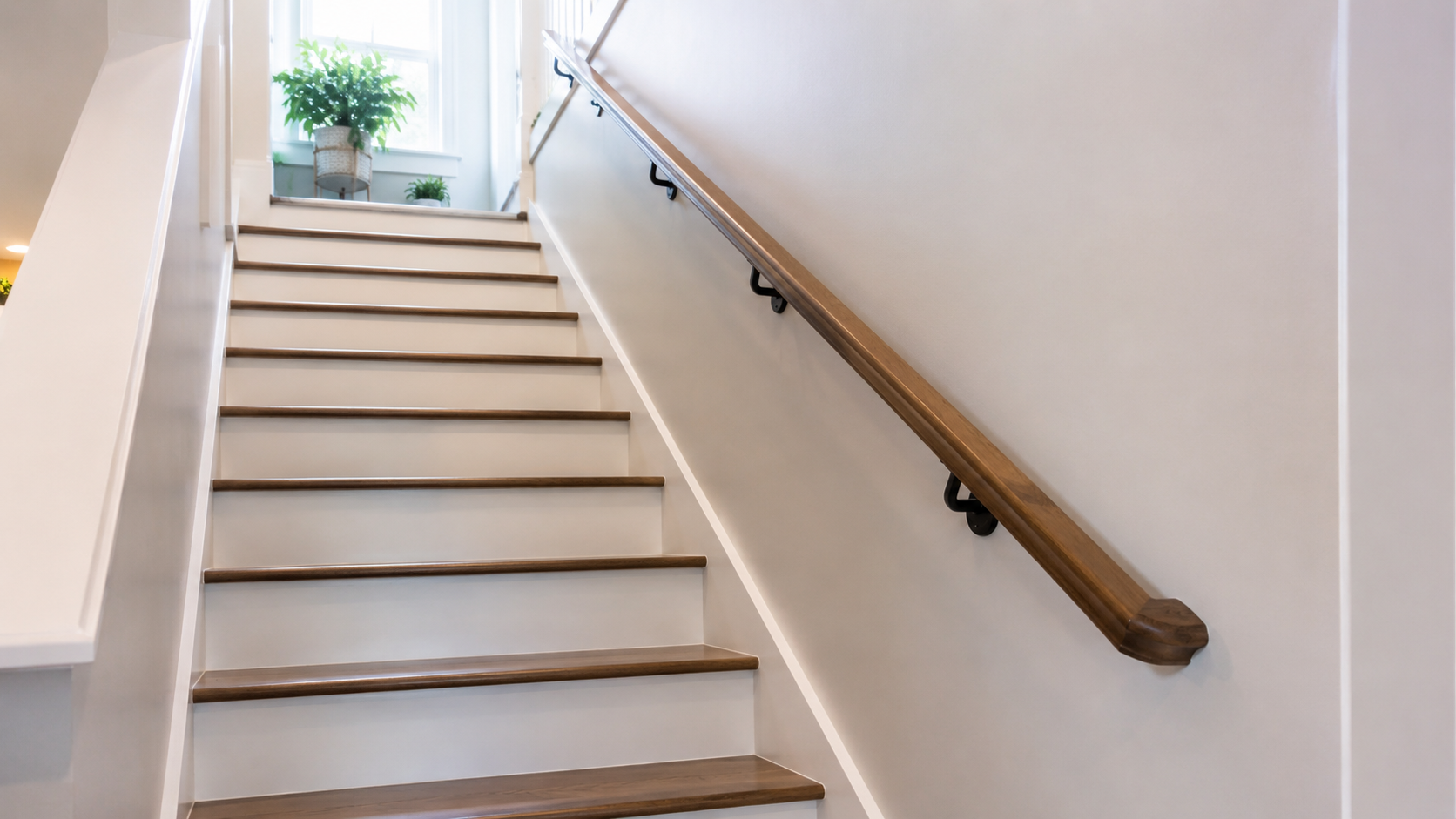
Stairs and hallways should have bright lighting, open walking space, and secure stair railings. If possible, stairs should have railings that are easy to grip. Rugs should be removed or firmly secured, and cords should not cross a walkway.
Hallways can collect laundry baskets, shoes, boxes, and other items without anyone realizing how much space they take up. Keeping these areas clear gives your loved one more room to move with a walker, cane, or steady hand along the wall.
Outdoors
Outdoor fall risks change with the season in New England. In Western Massachusetts and Hartford County, CT, steps, driveways, and walkways can become slippery from wet leaves, snow, ice, or uneven surfaces. Good outdoor lighting can help, especially during shorter fall and winter days.
Before winter, check railings, entry steps, walkways, and the path to the car. Salt or sand should be easy to access when ice is expected. If your loved one lives alone in towns around Springfield, Enfield, Windsor Locks, or Suffield, outdoor steps and winter walkways deserve extra attention.
Strength and Balance Can Make the Home Safer Too
Home changes help, but strength and balance also matter. Gentle walking, simple balance exercises, and programs like tai chi may support steadier movement for some older adults. Research published through the National Library of Medicine found that tai chi was linked with a lower risk of falls and improved balance in older adults.
These senior fall prevention tips should still be used carefully. If a loved one has had a recent fall, feels dizzy, uses a walker or cane, or seems weaker than usual, it is best to ask a doctor or physical therapist before starting a new routine.
Companionship care can also support safer movement by giving seniors someone to walk with, talk with, and build simple daily routines around.
How In-Home Care Helps Prevent Falls
In-home care cannot remove every fall risk, but it can reduce many of the daily situations where falls are more likely to happen. Bathing, dressing, getting out of bed, walking to the bathroom, preparing meals, and moving through the home can become harder with age. A caregiver can offer support during these moments so your loved one does not feel rushed or alone.
For seniors who need hands-on help, help with bathing, dressing, and moving safely around the home can make daily routines more manageable. Homemaking services can also support fall prevention by helping with laundry, light housekeeping, and keeping floors and walkways clear. During the weeks after a hospital stay, post-hospital care can provide extra support while strength, stamina, and confidence return.
In-home care for seniors at risk of falling is also about noticing small changes. A caregiver may see that a loved one is holding furniture more, avoiding stairs, skipping meals, or becoming afraid to walk outside. Chanda Care provides in-home care throughout Western Massachusetts, along with senior home care Hartford County CT families can turn to when a parent or loved one needs more support at home.
When to Get Extra Help for a Loved
It may be time to bring in more help if your loved one has had a recent fall or near-miss, has a new fear of falling, holds walls or furniture while walking, has unexplained bruises, or struggles to stand from a chair. A recent hospital stay can also raise concern, especially if your loved one came home weaker, more tired, or less steady than before.
If you are wondering what to do after an elderly parent falls, start by checking for pain, confusion, head injury, weakness, or trouble moving. Call medical help right away if something feels serious or if you are not sure what happened. Even if the fall seems minor, it is still worth telling their doctor and looking again at medications, lighting, footwear, bathroom safety, and the daily routine.
Fall prevention for elderly parents living alone can feel hard because family members may not see every change. If you are noticing signs you may need extra support, it may be time to talk through care options before the next scare. You do not need all the answers to reach out. Sometimes the first step is simply asking what kind of support may help home feel safer.
Fall Prevention for Seniors Starts with Small Changes
Fall prevention does not have to mean changing the whole house in one weekend. Many families start with simple updates first. Add nightlights. Remove loose rugs. Clear the path to the bathroom. Check outdoor steps. Add grab bars where support is needed. Ask a doctor or pharmacist about medication side effects. Schedule a vision check if your loved one has been misjudging steps or bumping into furniture.
Aging in place can feel more comfortable when the home, routine, and support system work together. Some seniors may need only a few home safety changes. Others may benefit from help with bathing, meals, walking, light housekeeping, or recovery after a hospital stay. What matters most is noticing the risks early and making changes that help your loved one move through the day with more confidence.
Frequently Asked Questions
What is the most common cause of falls in the elderly?
Falls are usually caused by several risks working together. Balance changes, medication side effects, poor lighting, trip hazards, weakness, vision changes, and rushing through daily routines can all play a role.
How can I make my parent’s home safer to prevent falls?
Start with the rooms and walkways your parent uses every day. Add grab bars in the bathroom, use non-slip mats, improve lighting, remove loose rugs and cords, keep walkways clear, and place daily items within easy reach. Outdoor stairs and winter walkways should also be checked in New England.
Can in-home care help reduce fall risk for seniors?
Yes, in-home care can help reduce many day-to-day fall risks. A caregiver can help with bathing, dressing, walking, meal routines, light housekeeping, companionship, and safer movement around the home. No service can prevent every fall, but the right support can make daily life safer and less stressful.
Talk with Chanda Care About Support at Home
If you are worried about a parent or loved one falling at home anywhere in Western Massachusetts or Hartford County, CT, Chanda Care can help. We offer a free consultation to talk through your concerns, your loved one’s routine, and the kind of support that may make home feel safer. Call (413) 217-9861 or contact Chanda Care to get started.
Services